
Group Exhibition Other Ping An Financial Center, Shenzhen

The 12th Art Shenzhen Parallel Program
Ping An Art Exhibition & ShanghART Thirty-Year Special Exhibition: The Rambles of a Wandering Adaptist – A Contemporary Art Journey Through Liminal Space
Artists: Chen Wei, Ding Yi, Gao Lei, Geng Jianyi, Han Mengyun, Hu Xiangcheng, Jiang Pengyi, Li Shan, Liang Shaoji, Lin Aojie, Liu Yi, Lu Lei, Lu Yu, Mu Xue, Shi Yong, Su Chang, Sun Xun, Yiyao Tang, Wang Xin, Xu He, Xu Zhen, Yang Fudong, Yang Zhenzhong, Yao Qingmei, Yin Yunya, Yu Youhan, Zeng Fanzhi, Zhang Ding, Zhang Wenxin, Zhao Yang, Zhou Li, Zhu Jia
Curator: Evonne Jiawei Yuan
Duration: December 2, 2025 – March 29, 2026
Venue: 116F, Ping An Finance Centre, 5033 Yitian Road, Futian District, Shenzhen
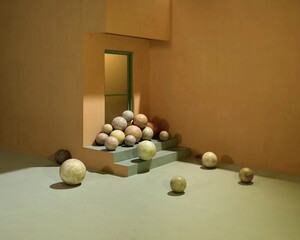
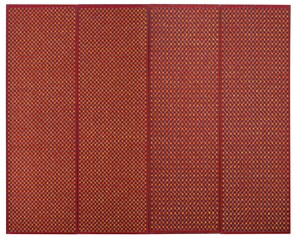
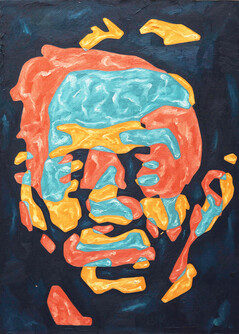
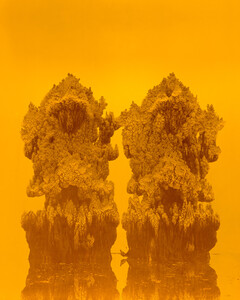
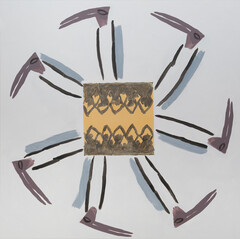
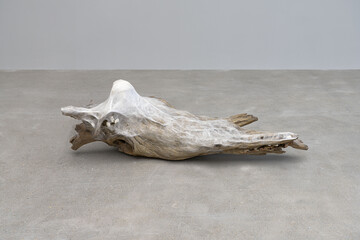
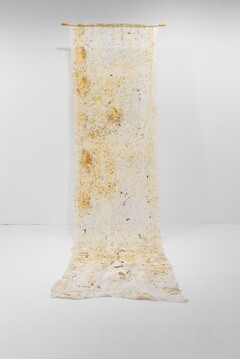
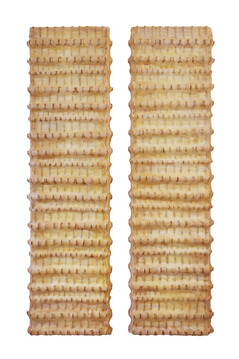
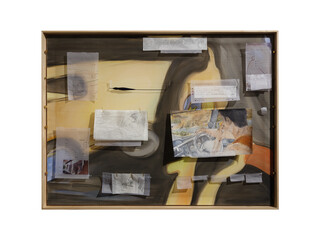
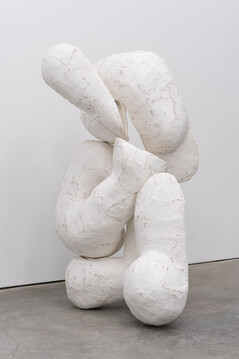
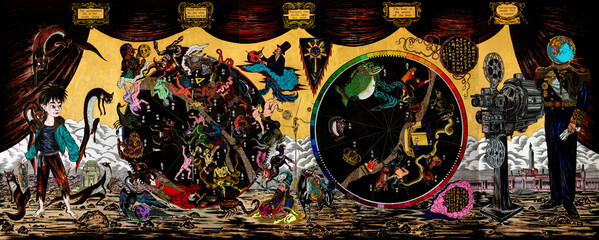
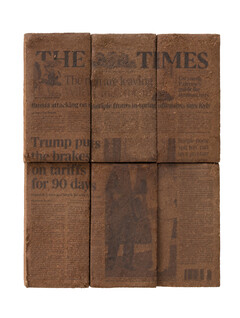
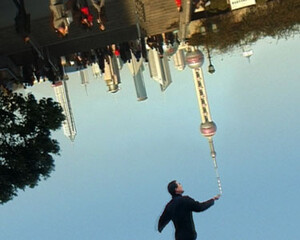
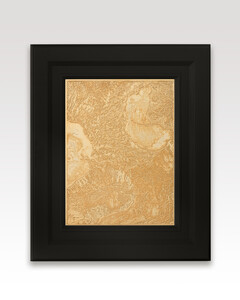
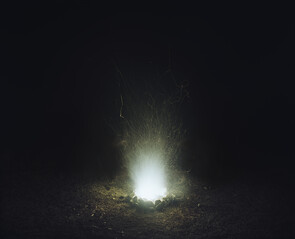
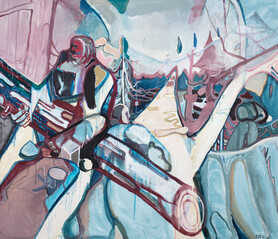
Marking a significant milestone as ShanghART approaches its thirtieth year, one of China’s earliest contemporary art institutions has joined forces with the Free Sky Observation Deck at Shenzhen Ping An Finance Centre in conjunction with the 12th Art Shenzhen to present the large-scale thematic group exhibition, The Rambles of a Wandering Adaptist. The exhibition showcases the practices of over thirty artists – both longstanding representatives and emerging talents recently collaborating with ShanghART – spanning mediums such as painting, sculpture, video, and installation. Situated at the vantage point of this vertical city, the exhibition leverages its symbolic position as a lookout tower to initiate a profound exploration into the zeitgeist and the trajectories of freedom.
Curated by Evonne Jiawei Yuan, Shanghai-and-Beijing-based independent curator, this exhibition is methodologically grounded in a conceptual triad that extends beyond the literal sense of “rambles.” It moves from the physical wanderings of “bodily engagement,” through the fragmented symbols of “discursiveness,” to the innate drive of the non-human agent embodied in “overgrowth.” This framework not only reinterprets but also transcends the word “rambles,” while subtly evoking ShanghART’s pioneering presence within China’s gallery landscape. The shared cultural dynamics of Shanghai and Shenzhen – the fluidity arising from migrant societies, the tensions of desire within commercial culture, and the dialogue between cosmopolitan ideals in modern metropolises and the realities of urban accelerationism – are deftly woven into the exhibition’s storytelling.
In this vein, the key topic – “how to trace uncertain spiritual trajectories within the determined urban grid” – emerges. Through this lens, ShanghART’s artists deconstruct the contemporary individual’s obsession with capital, technology, and sensory stimulation, thereby activating a collective subconscious related to “migration, rupture, and desire.” As the curator notes, “Shenzhen and Shanghai share a kind of ‘modern malaise,’ a state of ‘lucid disorientation.’ Within highly ordered civilizational machines, people adopt a seemingly ‘aimless’ stance to resist certainty or are perpetually negotiating with uncertainty from the outset. The works gathered in this exhibition distil the contingency of the wanderer, the silenced voice of the relater, and the anxiety of the desirer into a universal philosophy of existence.”
More Pictures:


隙语浮步:香格纳三十周年特展 x 深圳平安金融中心云际观光层

















 Facebook
 Instagram
 WeChat 微信